Showing posts with label Health. Show all posts

Detox your liver to lose belly fat

Detox Your Liver to Lose Belly FatAs long as one of the functions of your liver, among others, is to produce bile, which somehow controls your weight, because it breaks down fat, it is important to cleanse your liver if you want to be healthy, but also in order to lose weight.
  • How do you do this?
There are natural ways of cleansing your liver: foods and herbal supplements.
Foods:
  • citruses such as lemons, limes and grapefruits help the cleansing of the liver because their high content of vitamin C; they also produce enzymes that aid to the elimination of toxins;
  • vegetables are also recommended: either you choose to consume garlic, leafy green vegetables, or cruciferous vegetables, you make a good choice for your health; they activate enzymes necessary to the liver in the process of eliminating toxins;
  • walnuts and avocados both help the production of glutathione – an essential compound that your body produces in order to get rid of the toxins;
  • because they contain vitamin B, whole grains are recommended in order to chase away the toxins produced when you eat wheat flour, which is a source of lots of toxins;
  • the well-known antioxidant properties of the green tea are also very beneficial for the health of (not only) your liver, because they improve its function;
Herbal supplements:
  • turmeric is a spice which helps your liver to get rid of toxins, when consumed either in foods or by taking capsules that contain it;
  • tablets of dandelion roots are also recommended – they prevent indigestion and the swelling of your liver;
  • there are certain substances which are dangerous for your liver cells; in order to prevent their production, it is advisable to consume milk thistle (doses of 140mg are recommended);
  • sometimes, your liver tissue needs regeneration – if you want to stimulate it, you should consumeglobe artichoke.
Change your lifestyle!
There are certain things you do on a daily basis and which affect your liver.
It is recommended to avoid certain foods: reduce the amount of dairy and meat, try not to eat so many processed foods and never consume fast food, it is maybe the worst thing you do for your health.
This type of food contains lots of chemicals and thus produces toxins that your liver cannot keep the pace with when it comes to getting rid of them.
What you have to do is to drink a lot of water – it aids to the elimination of toxins.
Also, try to reduce the stress, avoid the situations that cause it, because it is closely related to your digestive system and it can crucially affect it.

15 Fake-Healthy Consumer Products

Nutrition

From bottled water to anti-bacterial soaps, don’t fall for “health” products that aren’t especially good for you.Who doesn’t love Life Savers, those hard candies shaped like the rings that cradled us as children learning to swim? That comforting message — sweet and safe — is the secret of many consumer products.Too bad the message is a lie. As we all know, sugar is shortening lives, not saving them, but somehow that’s not how it feels. Americans are running enormous health risks that worry us, though not quite enough to change our ways, and marketers tap into that worry when they sell products touted as a solution. We’ve gathered just fifteen of many seemingly health-enhancing products you might as well skip.    1. Bottled water. When you know that you need more sleep, exercise, and salad, you’re tempted to buy a bottled water with a label that summons up an enchanted land of health. But there’s no evidence that bottled water is better for you than American tap water, which is also filtered for contaminants and must meet regulatory standards. If you opt for flavored water, you’ll also have to watch out for sugar generally in the form of corn syrup.  2. Granola and protein bars. Trust the food industry to create a health buzz around snacks that contain as many calories and sugar as old-fashioned candy bars. Look for brands that contain only seeds and nuts — or just buy the seeds and nuts.3. Light beer. Many light-beers have a lower alcohol content but not necessarily fewer calories, and you could easily just drink more to get your edge of inebriation. Low-carb beers may have just as many calories as ordinary beer. Any potential antioxidant benefits from beer are more likely in lagers and dark ales.4. Low-fat or reduced-fat commercial foods. You actually want to eat foods that naturally contain healthy fats rather than load up on products that often contain added sugars and may well leave you hungry. A prime example is reduced-fat peanut butter, which substitutes sugar for the fat.5. Diet soda. Artificial sweeteners may actually lead to weight gain. In one study, 10-week-old mice ate a daily dose of aspartame, sucralose, or saccharin. Another group of mice drank water laced with either glucose or sucrose, two forms of ordinary sugar. After less than three months, the mice on the artificial sweeteners were showing signs of high blood sugar, a precursor to diabetes.6. Bran muffins. Sure, the fiber is good for you, but a large muffin can contain more calories and fat than a donut.7. Multi-grain bread products. The label doesn’t mean the product contains whole grains. If you see “bleached” or “unbleached enriched wheat flour" high up on the ingredients label, you’re eating food designed to make you crave more.  8. Microwave diet meals. The best argument for packaged dinners is that they provide portion control and may be healthier than the fast food you might pick up instead. But unless they’re identified as low-salt or heart-healthy, they could contain from 700 to 1,800 milligrams (mg) of sodium, which is a big chunk of the daily maximum. You’ll also probably get too little veggies. Try making a large batch of your favorite healthy meal and freezing individual portions.9. Sushi. It’s fish and veggies, right? Actually, sushi contains large amounts of white rice, which isn’t especially good for you, and few vegetables. Opt for brown-rice or get sashimi, without the rice.10. Rice crackers. High in salt and carbohydrates, and low in fiber, these airy nothings fool you into thinking you’re not snacking.  11. Spinach wraps and pasta. Add actual spinach to your wrap or dinner if you actually want to eat a green — there’s a tiny amount of spinach in these green-hued carbs.12. Bottled iced tea. Brew your own if you seek the antioxidant properties of tea. Commercial brands tend to be mostly sugar.13. Veggie burgers. Check the label carefully to find out if you’re getting vegetables or mainly grains and fillers designed to make the product chewy like a hamburger.  14. Antibacterial soap. According to the U.S. Food and Drug Administration, there is no evidence that these soaps do a better job than regular soap and water.15. Disinfectant cleaners. Chemicals in these cleansers could aggravate asthma, and it is not necessarily good for your children to shelter them from exposure to all germs. In countries that haven’t widely adopted disinfectants, people are chronically infected by parasites in dirt — but rarely suffer from allergies and other immune disorders. More sanitary countries have seen surges in childhood asthma, inflammatory bowel disease, and juvenile (type 1) diabetes.

How To Eat Healthier Without Even Noticing

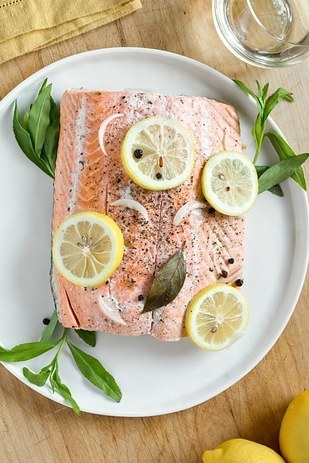
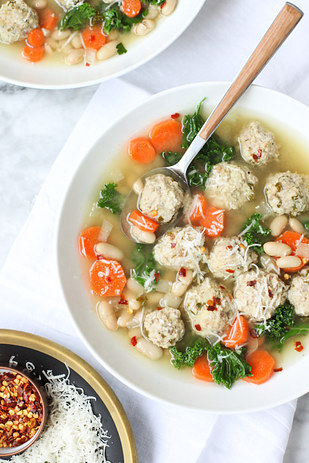
1. Your slow cooker isn’t just for heavy, braised meat dishes. Master some healthy slow cooker recipes.

 
Slow cookers are great for pulled pork and big batches of chili, but you can also use them for healthy staples like broth-based soups, big batches of lean protein, and even things like frittatas and poached salmon. Here are 24 healthy slow cooker recipes to start with.
From left: Slow Cooker Poached Salmon with Lemon and Herbs, Skinny Slow Cooker Kale and Turkey Meatball Soup.

2. Need a daily dose of meal prep inspiration? There’s an Instagram account for that!

Meal Prep on Fleek is a collection of community-generated photos that will give you ideas for meals that you can prep in advance.

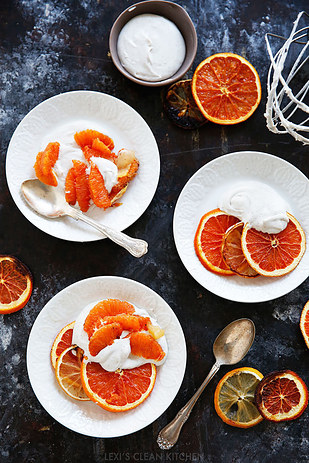
3. Turn fruit into a beautiful, healthier dessert.

 
Baked fruit feels like a special, sweet treat, especially when served with a little whipped cream. From left: Roasted Citrus with Salted Vanilla Whipped Cream, Baked Apple Crisp.

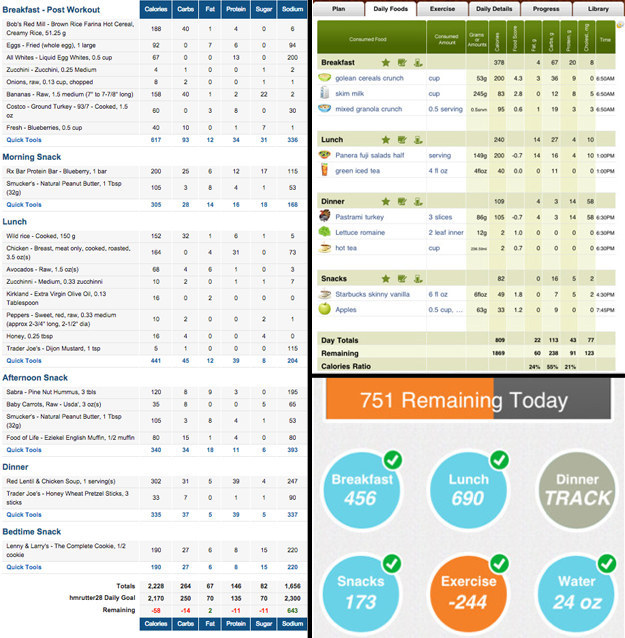
4. Consider tracking your food intake, at least a couple of times a week.

Consider tracking your food intake, at least a couple of times a week.
Food journaling isn’t for everyone, but it’s not a bad idea to do it a couple of times a week — or a couple of times a month, or just for a little while — as a way to see your own eating habits more clearly. Chances are, you’ll notice some pretty interesting patterns. Maybe you snack more late at night on days when you don’t eat a great lunch. Maybe you eat more on days after you’ve had a lot to drink. Maybe you’re actually eating a lot less than you thought.
There are lots of free online food journals, most of which also have iPhone and Android apps so that you can log from anywhere. MyFitnessPal, MyNetDiary, andMyPlate are all good options.

5. Need a healthy, on-the-go breakfast option that requires zero cooking skills? Try these grain-free blender muffins.

Let your blender and your oven do literally all of the work, then store the muffins in an airtight container in the fridge for up to five days. For a quick, satisfying breakfast, just heat and eat! 

6. Use leftover meat or vegetables from dinner to make healthy baked eggs or hash in the morning.


7. Be aware of what you’re drinking. (And maybe drink a little less.)

Be aware of what you're drinking. (And maybe drink a little less.)
Not saying you have to give up alcohol completely if you don’t want to, but it’s good — or sad, probably, but definitely eye-opening — to know how many calories you’re drinking. 

Foods That May Help Save Your Memory

salad-dressing-memory


Oil-based salad dressings


“The data support eating foods that are high in vitamin E and this includes healthy vegetable oil-based salad dressings, seeds and nuts, peanut butter, and whole grains,” says Martha Clare Morris, ScD, director of the section on nutrition and nutritional epidemiology in the Department of Internal Medicine at Rush University, in Chicago. 

The benefit has been seen with vitamin-E rich foods, but not supplements, she says.

A potent antioxidant, vitamin E may help protect neurons or nerve cells. In Alzheimer’s disease, neurons in certain parts of the brain start to die, which jump-starts the cascade of events leading to cognitive deterioration.


fish-memory-salmon

Fish


Salmon, mackerel, tuna, and other fish are rich in heart-healthy omega-3 fatty acids, including docosahexaenoic acid (DHA). 

“In the brain, DHA seems to be very important for the normal functioning of neurons,” Morris says.

Another plus: Eating more fish often means eating less red meat and other forms of protein that are high in artery-clogging saturated fats.


green-leaves-memory

Dark green leafy vegetables


Kale, collard greens, spinach, and broccoli are good sources of vitamin E and folate, Morris says.

For example, one cup of raw spinach has 15% of your daily intake of vitamin E, and 1/2 a cup of cooked spinach has 25% of your daily intake.

Exactly how folate may protect the brain is unclear, but it may be by lowering levels of an amino acid known as homocysteine in the blood. High levels of homocysteine may trigger the death of nerve cells in the brain, but folic acid helps break down homocysteine levels. 

High homocysteine levels have also been linked to an increased risk for heart disease.


avocado-alzheimer

Avocado


This creamy treat is also a rich source of the antioxidant vitamin E.

Research by Morris and her colleague suggests that foods rich in vitamin E—including avocado, which is also high in the antioxidant powerhouse vitamin C—are associated with a lower risk of developing Alzheimer’s.

sunflower-seeds-memory

Sunflower seeds


Seeds, including sunflower seeds, are also good sources of vitamin E.

One ounce of dry-roasted sunflower seeds contains 30% of your recommended daily intake. Sprinkle them on top of your salad to give your brain a boost.

berry-good-memory

Berries


The latest research presented at the National Meeting of the American Chemical Society in Boston found that blueberries, strawberries, and acai berries may help put the brakes on age-related cognitive decline by preserving the brain’s natural “housekeeper” mechanism, which wanes with age.

This mechanism helps get rid of toxic proteins associated with age-related memory loss.

Fight Heart Disease with Potassium

Fight Heart Disease with Potassium
A diet low in potassium and high in sodium may increase your risk for cardiovascular disease, according to theU.S. National Heart, Lung, and Blood Institute. Researchers found that for people with high normal blood pressure levels, every unit increase in the person's sodium-to-potassium ratio raised the chance of cardiovascular disease by 24 percent. Increasing potassium and lowering sodium intake may reverse the risk.

Potassium and Your Heart
One of potassium's main jobs is to help transmit nerve impulses that keep your heart beating. If you have high blood pressure, heart failure, or heart rhythm problems, getting enough potassium is especially important. Although you can't treat or prevent heart disease with potassium alone, numerous studies show that getting enough of this mineral has heart-healthy benefits. In one major study of people with high blood pressure, taking potassium supplements reduced systolic blood pressure (the top number) by about 8 points. But you don't have to pop potassium pills to get the heart-healthy benefits. A diet high in fruits, vegetables, and low-fat dairy foods can help lower systolic blood pressure by more than 10 points in people with high blood pressure.

How Much Do I Need?
 The Adequte Intake (AI) level for potassium is 4,700 milligrams per day for people over the age of 14. (People on some diuretics or heart disease medications should get less. Check with your doctor.) Potassium deficiencies are rare in the U.S. since it's found in a wide variety of foods, but intakes for people who don't eat a lot of fruits and vegetables could be less than optimal.

See "More Potassium, Please" for potassium values for a variety of foods.

Taking potassium isn't known to reduce the risk of heart attacks. But by making sure you're getting enough potassium, you'll probably end up eating more fruits and vegetables. And a healthy diet–one that's high in fruits and veggies and low in sodium, saturated fat, and cholesterol–may help lower blood pressure and cholesterol levels, and reduce the risk of heart disease.

Decrease your risk of heart disease with our collection of High-Potassium Recipes.

Reasons to Toast Your Health

Toasting with Wine
Kicking back with a glass of vino is a well-deserved treat at the end of a busy day. Even our founding father Benjamin Franklin agreed: "Wine makes daily living easier, less hurried, with fewer tensions and more tolerance," he wrote. But wine brings more than pleasure to the table. Since ancient times, physicians have proclaimed wine's health benefits, and now a slew of recent studies show it's good for your brain, heart, and more.

Naturally, moderation is key. The USDA's Dietary Guidelines for Americans recommends no more than one glass a day for a woman and two glasses a day for a man, and none at all for pregnant women, individuals susceptible to alcoholism, and those on medication or with medical conditions that can interact with alcohol. But if you're one of the 55 percent of Americans who likes to raise a glass now and then, here are five reasons to toast your health with the fruit of the vine.

1. Wine is good for your heart. Remember the "French Paradox"? In 1992, researchers discovered that the French had a 36 percent lower mortality rate from heart disease, despite all the croissants and foie gras. Now scientists believe the powerful antioxidants in red wine and wine's ability to boost omega-3 fatty acids are factors. In another study, wine drinkers had a 34 percent lower chance of stroke.

2. Wine keeps your brain cells healthy. Two recent studies in Denmark and Sweden showed that moderate consumption of wine helped reduce the risk of dementia, including Alzheimer's disease.

3. Wine can protect against a host of age-related diseases. You've probably heard about that magical compound in red wine, resveratrol. Studies have shown that resveratrol can protect against diabetes, inflammation, and cardiovascular diseases.

4. Wine can help prevent cancer. A glass of red wine each day can cut a man's risk for prostate cancer in half, and lowers the risk of Barrett's Esophagus, the precursor to esophageal cancer, by 56 percent. Plus, resveratrol in red wine has been shown to zap pancreatic cancer cells.

5. Wine drinkers tend to eat healthier foods and have healthier lifestyles. It sounds like a stereotype – beer drinkers gorge on fried foods and chips while wine drinkers favor salads and lean protein – but studies show that wine drinkers tend to eat the most heart-healthy diets. In one survey, wine drinkers ate more olives, fruit and vegetables, poultry, olive oil, and low-fat cheese, milk, and meat, while beer drinkers chose ready-cooked meals, refined sugar, cold cuts, chips, pork, sausages, and soft drinks. Even better? Contrary to popular belief, researchers found no evidence that a glass or two of wine makes you gain weight.

Wine sounds like a miracle tonic, but it's not a cure-all for every disease. The jury is still out on many of its health benefits: while drinking moderate amounts wine can help prevent some types of cancer, alcohol consumption can activate cellular changes that help some cancer cells spread, and three or more alcoholic drinks a day significantly increases the risk of breast cancer. Talk to your doctor if you have questions about wine and your health.

Heart Disease Facts Every Woman Should Know

Heart Disease Facts Every Woman Should Know
More women than men die of heart disease each year and they often exhibit signs and symptoms that are different than men's. Plus, there are additional risk factors that affect women more than men. Women of all ages should take heart disease prevention seriously as it's the leading cause of death for women 65 years and older, the second leading cause for women 45 to 64, and the third leading cause for women between the ages of 25 and 44.

Different Heart Attack Symptoms
Although the most common symptom of a heart attack in both men and women is chest pressure or pain, it's not always severe or even the most prominent symptom in women. Women are more likely than men to have subtle signs such as neck, shoulder, upper back or abdominal discomfort, shortness of breath, nausea or vomiting, sweating, lightheadedness, dizziness, or unusual fatigue. This may be because women tend to have blockages not only in their main arteries, but also in the smaller arteries that supply blood to the heart. Because their symptoms are not those typically associated with a heart attack, many women tend to seek care after heart damage has already occurred.

Additional Risks for Women
Certainly the usual risk factors for heart disease such as high cholesterol, high blood pressure, and obesity affect women as well as men, but there are other factors that may play a larger role in women. Those factors include metabolic syndrome (a combination of abdominal fat, high blood pressure, high blood sugar, and high triglycerides), low levels of estrogen after menopause, smoking, and mental stress and depression. Depression is twice as common in women as men, and the risk of heart disease in people who are depressed is two to three times higher than those who aren't depressed.

Prevention for Women
The American Heart Association recommends the following guidelines to reduce the risk of heart disease.

• Do not smoke or use tobacco.

• Exercise. If you need to lose or keep off weight, you should get at least 60 - 90 minutes of moderate-intensity exercise on most days. To maintain your weight, get at least 30 minutes of exercise a day, preferably at least 5 days a week.

• Join a cardiac rehabilitation program if you have recently had a heart attack, angina, angioplasty, or a stent procedure.

• Eat a heart-healthy diet. The diet includes a variety of fruits and vegetables, grains, low-fat or nonfat dairy products, fish at least twice a week, legumes, lean proteins, limited amounts of saturated and trans fats and a moderate intake of monounsaturated fats.

• Maintain a healthy weight. Strive for a body mass index (BMI) between 18.5 and 24.9 and a waist smaller than 35 inches.

• Manage stress and get checked and treated for depression, if necessary.

• Ask your doctor about taking omega-3 fatty acids supplements.

• Keep blood pressure under 120/80 mm Hg. Talk to you doctor about whether you need blood pressure medications.

• Talk to your doctor about aspirin therapy (dose 75 mg to 325 mg a day). Aspirin therapy is recommended for women over age 65 to prevent heart attack and stroke as long as blood pressure is controlled and the benefit is likely to outweigh the risk of gastrointestinal side effects. Regular use of aspirin is not usually recommended for healthy women under age 65 to prevent heart attacks.